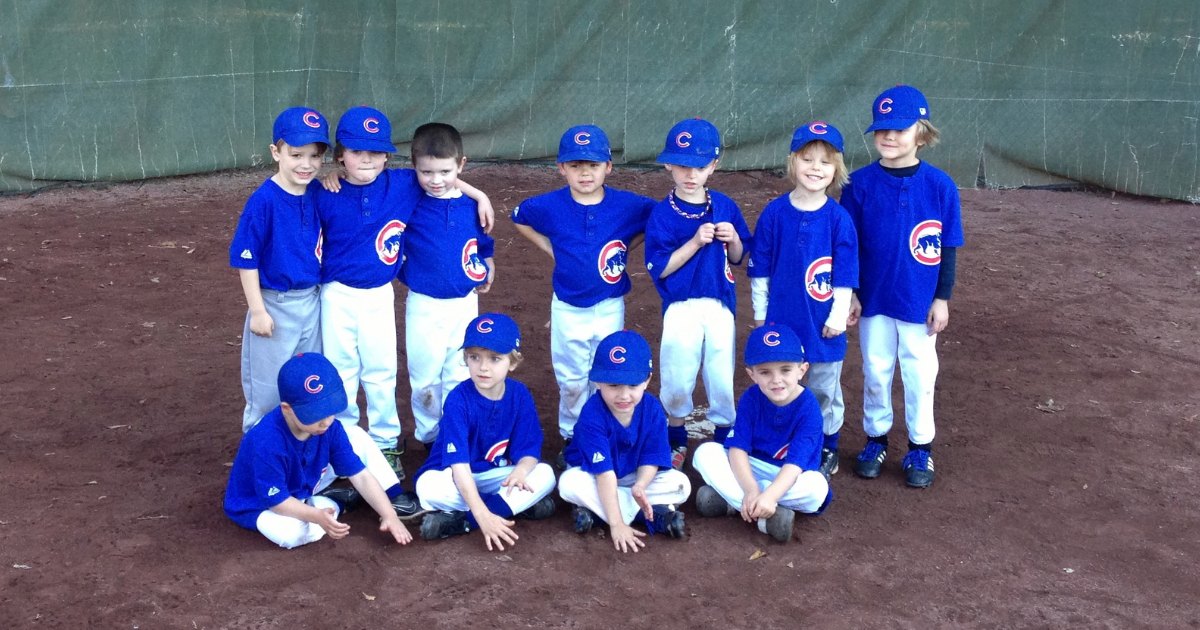
Where it started — my first team, T-ball with the Cubs, age 4 · Fall 2012.
Pace Academy, Atlanta · Class of 2027
Senior at Pace Academy in Atlanta, GA. 14 years of baseball. The spark was an AP thesis on MLB integration. Then an AP oral history with a noted sports journalist who has written about Hank Aaron and MLB integration issues. And then a 2,020-mile road trip that I planned that connected baseball and integration. Now I'm finding ways to share what I learned about baseball and integration with others at school and online.
Where it started — my first team, T-ball with the Cubs, age 4 · Fall 2012.
I've played baseball since I was four. It's been a constant my whole life. When you're a kid you think you'll be a MLB player. When you get older you think you could play in college. I've gotten better at baseball, especially as a pitcher, but sometime in the last year I realized that I won't play beyond high school. Even when it has been tough, baseball has always been something I loved and enjoyed. I had never really thought about the role of baseball in our history, how integration occurred, and how we wound up with baseball as we know it today. But this past year it started meaning something different. In AP African American Studies, I wrote a thesis on the integration of Major League Baseball. The more I researched, the more I realized how much of that story I didn't know. The Negro Leagues, the players who never got a shot, the towns and ballparks that still carry that history. None of it shows up in the box scores.
That research is what pushed this expedition from an idea into something I actually had to do. Inspired by my oral history interview with Mr. Terence Moore, I wanted to go to Kansas City to see the Negro Leagues Baseball Museum and meet one of my heavily cited sources, Mr. Bob Kendrick.
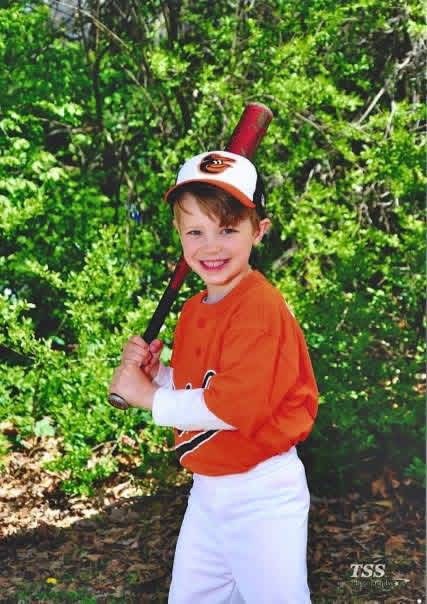
Little League Buckhead Baseball.
I pitch for Pace Academy's varsity team. Baseball has taught me most of what I actually know about competing and handling failure. When things aren't going your way on the mound, you have to stay in the moment. You can't carry the last pitch into the next one. That carries over into everything else I take on.
The thing that drove this expedition is something I've always done naturally: I talk to everyone. Teachers, strangers at a museum, the president of a national institution. On this trip, that turned into the most important part of the whole experience. The exhibits mattered. The conversations mattered more. Bob Kendrick, the president of the Negro Leagues Baseball Museum, sat with us and talked for a long time. He didn't have to do that. I asked him everything I'd wanted to ask since I started my thesis.
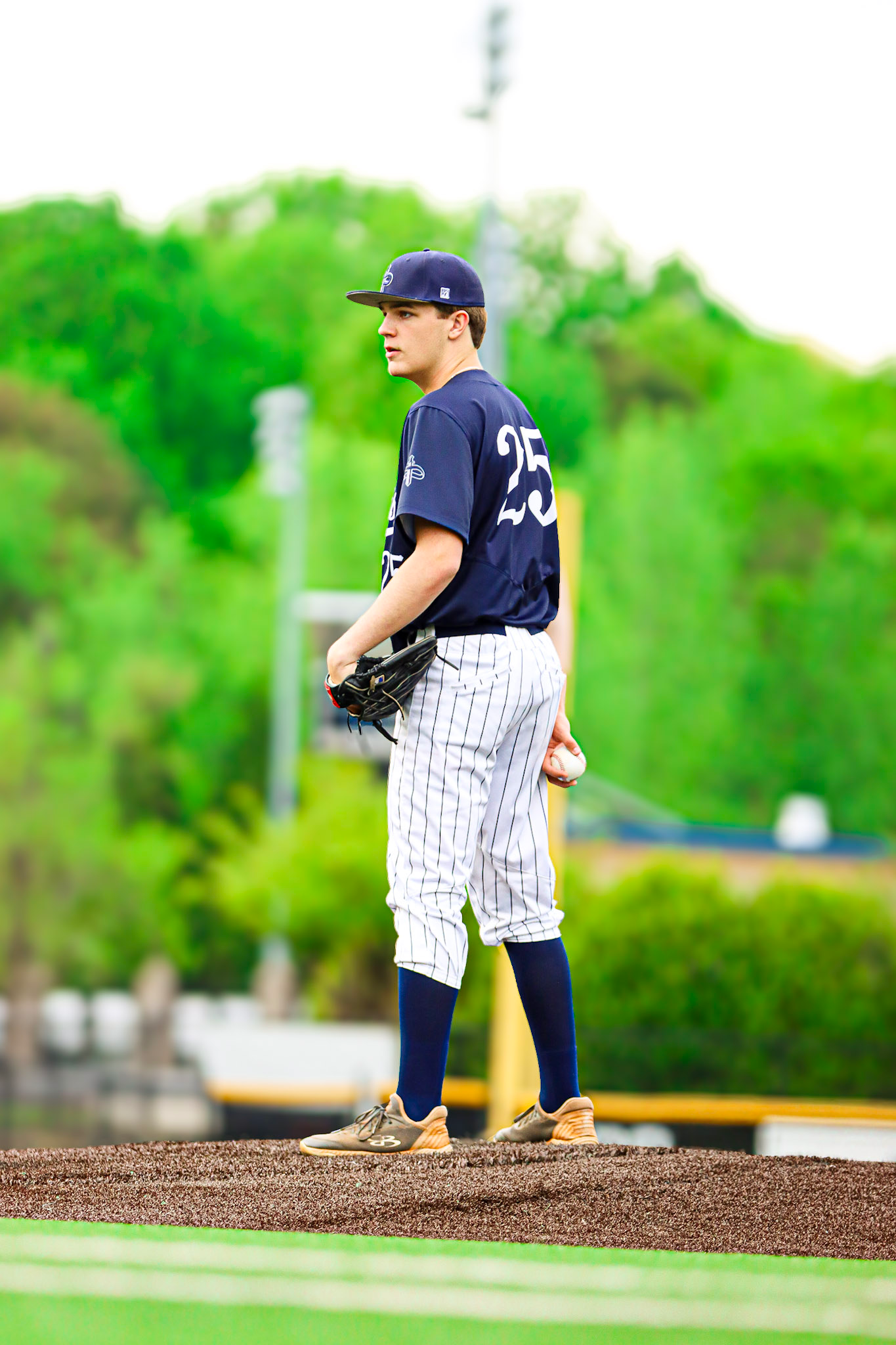
On the mound for Pace Academy, #25.
I was fortunate to join the Young Men's Service League (YMSL) in 9th grade and that got me interested in doing service. I also found that playing travel baseball in the summers made it hard to have a regular job. I was able to volunteer at camps and with other organizations that worked with my baseball schedule.
I'm now up to 508 hours of community service in the last 3 years, serving with 16 different organizations in the Atlanta area. The two I spent the most time with are La Amistad / Keeping Pace (130 hours) and St. Vincent de Paul (108 hours).
It was a big decision to stop playing travel baseball this past summer. This allowed me to finally get a real job at Publix where I worked 12-20 hours per week in the summer. I am still working at Publix during the school year but can only work 4-8 hours per week, on the weekends.
I just started my senior year at Pace Academy, where I'm taking 6 AP's and 1 honors class this year. I will graduate with 12 AP classes this spring. I am looking forward to playing my final season of high school baseball with my friends, injury-free, and with college applications done.
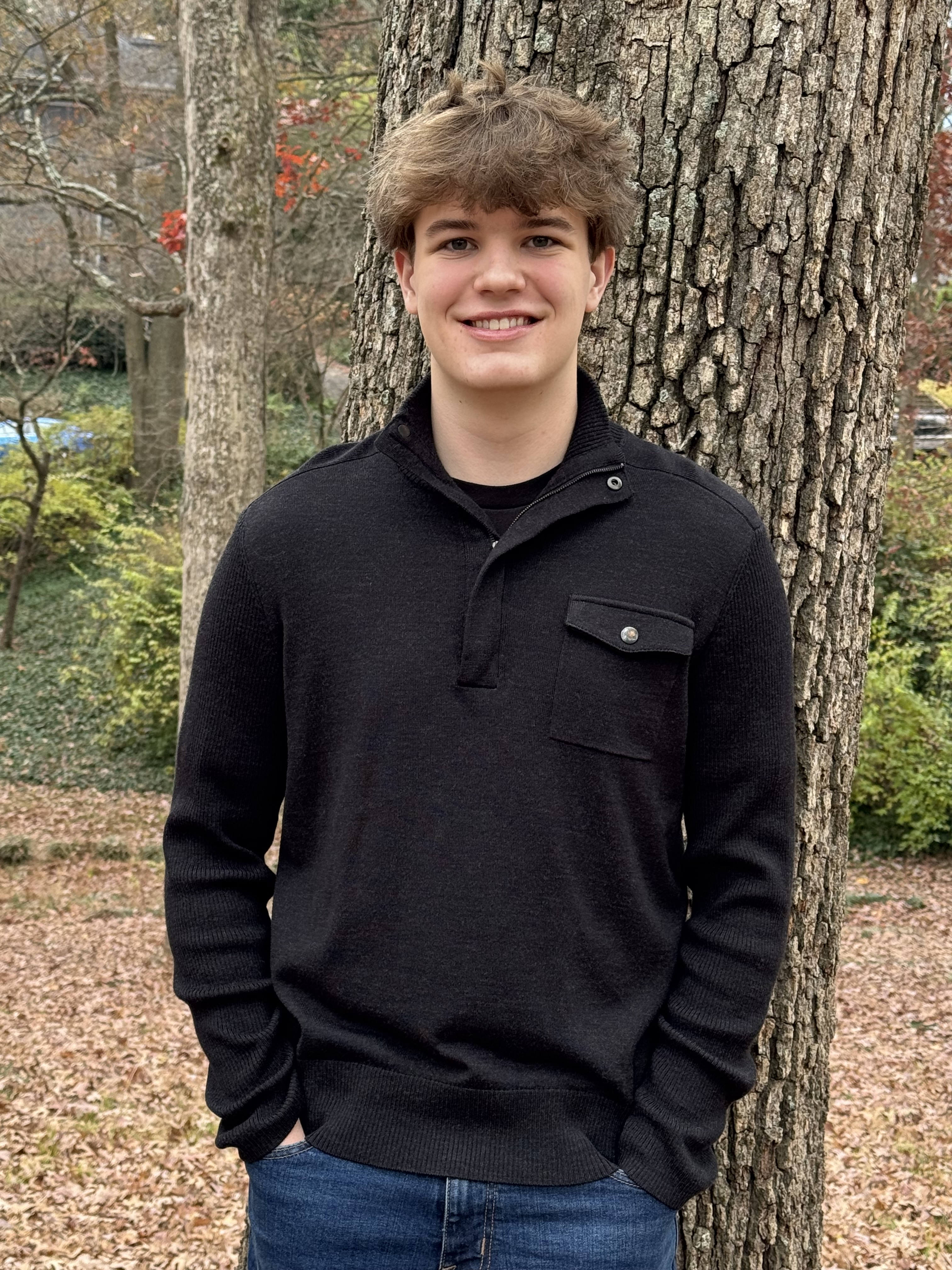
Atlanta, 2025.
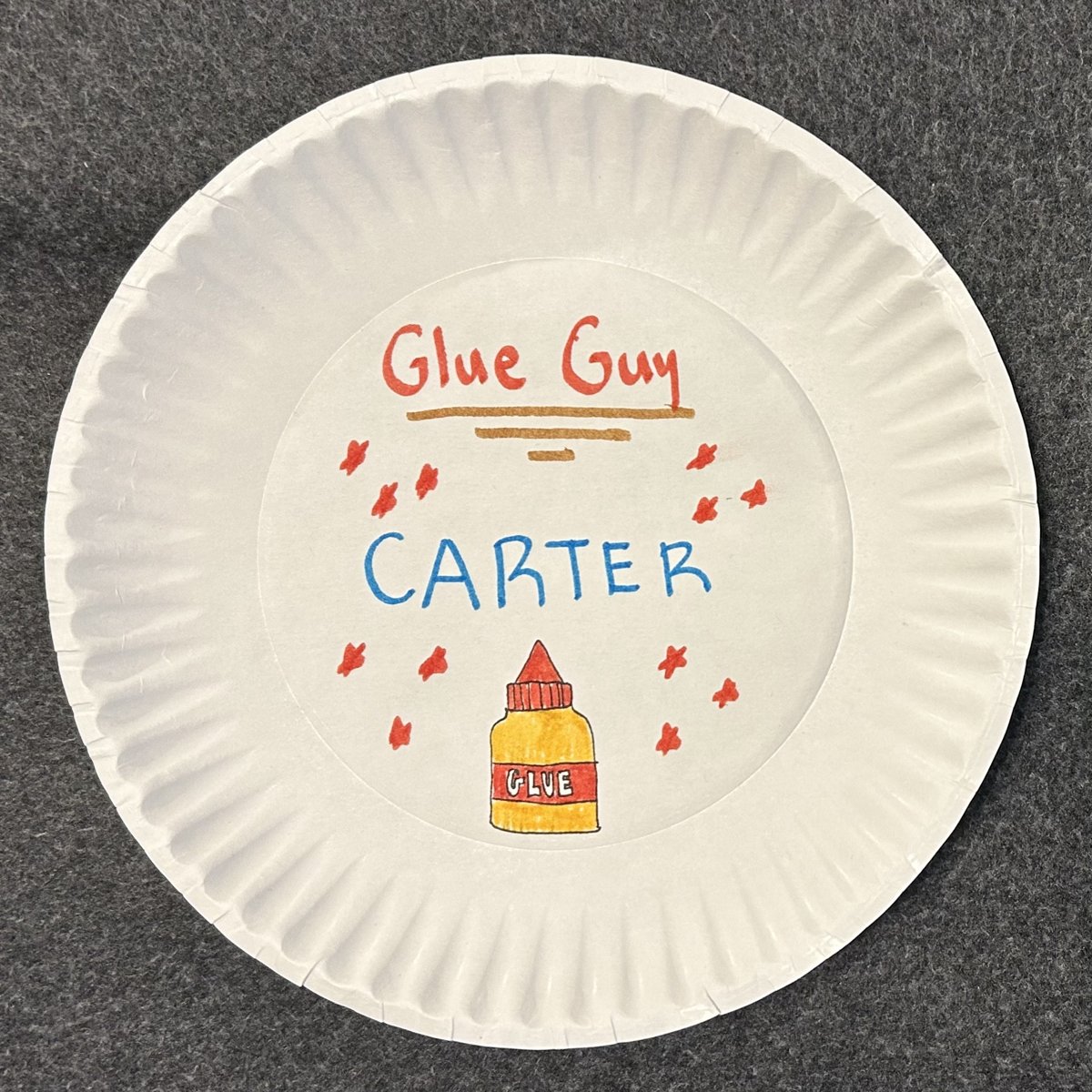
“Glue Guy”
Near the end of my freshman year, my peer leaders recognized me as “Glue Guy.” I don’t know if they realize how big that was to me at the time, or how much I’ve identified with it since then.
Where I’m headed next, and how baseball, service, and school have set me up for it.
2,020 miles, 5 days, 11 states — every stop, every conversation, and everything that stuck.
Explore the Expedition →